Namdaemun Kalguksu Alley is one of the easiest places in central Seoul to experience a compact, traditional market meal without turning lunch into a restaurant reservation project. The official Seoul tourism guide lists the alley at 42-1 Namdaemun Market 4-gil in Jung-gu, close to Hoehyeon Station, and describes bowls of thick noodles served with savory broth, tofu, seaweed powder and sesame. The appeal is not only the noodles: many stalls pair kalguksu with barley rice, side dishes and sometimes a small portion of cold noodles, so the experience is closer to a generous market set than a single bowl.
This guide is for visitors who want to know what will happen after they sit down: how to choose a stall, what common dishes mean, how much Korean you actually need, and how to eat without blocking a tiny counter during the lunch rush. Details were checked against the Official Travel Guide to Seoul on September 22, 2026. Individual stall prices, days off and exact set composition can change, so read the current menu displayed at the stall.
What Namdaemun Kalguksu Alley is—and what it is not
The alley sits inside the wider Namdaemun Market environment rather than operating like a modern food court. It is narrow, busy and functional. Stalls are designed to serve people quickly, often at counters with limited personal space. That is part of the attraction, but it also means the best visit is one where you know what you want before sitting down.
Kalguksu literally refers to knife-cut noodles. In this alley, the bowl commonly arrives in a hot anchovy-based or savory broth with toppings such as tofu, seaweed and sesame. The exact recipe differs by stall. Boribap is barley rice, usually mixed with vegetables and seasoning. Naengmyeon is cold noodle; when a small serving appears as part of a set, think of it as a contrast to the hot main dish rather than a full second meal.
The official Seoul tourism material emphasizes the neighborhood’s generous style: the experience is known for combinations of noodles, barley rice and accompanying dishes. Do not assume that every counter serves an identical set, however. A menu board is more reliable than a TikTok clip filmed at a different stall.
Namdaemun is also much larger than this one alley. If you want a broader market comparison, our Gwangjang Market breakfast guide explains a different style of Seoul market visit. Namdaemun is particularly useful when you want a filling meal near Myeongdong, Seoul Station or the Namsan side of central Seoul.
How to find the alley and choose a stall without overthinking it
Use Hoehyeon Station on Seoul Subway Line 4 as your navigation anchor and then switch from the subway map to a pedestrian map. The official tourism listing gives the address as 42-1, Namdaemun Market 4-gil, Jung-gu, Seoul. Market alleys can look similar, so search the destination name rather than wandering toward the first noodle sign you see.
Once you reach the alley, walk through slowly before choosing a seat. Look for three things: a visible menu with prices, a counter where turnover looks smooth, and a stall whose staff are ready to seat new customers. A long line can indicate popularity, but when several adjacent stalls offer very similar food, waiting 40 minutes is not automatically a better cultural experience than sitting five meters away.
For solo travelers, counter seating is ideal. For groups of four or more, the alley can become awkward because seats are often narrow and split. If your group includes a stroller, very large luggage or someone who needs extra room, consider eating outside the tightest section of the alley. Namdaemun Market itself offers many other restaurants and stalls.
Large suitcases are especially inconvenient. If you are coming from Seoul Station before a train or after hotel checkout, store luggage first. The alley works best when you can slide into a seat, keep one small bag on your lap or under your legs, and leave as soon as you finish.
How to order kalguksu, boribap and side dishes
You do not need fluent Korean. Start by checking whether the stall displays a set menu or pictures. Pointing is acceptable in a busy market when done clearly and politely. Useful phrases include “kalguksu hana juseyo” for one kalguksu and “igeo hana juseyo” for “one of this, please” while pointing at a menu.
If the stall’s default order includes boribap or a small noodle side, let the full set arrive before ordering extras. First-time visitors often underestimate how filling the combination is. Mix barley rice only after seeing what vegetables, sauce and side dishes have been provided. Add seasoning gradually. Market food is designed for quick customization at the counter, not for following one strict recipe.
Kalguksu noodles are soft and the broth can be very hot. Taste the soup before adding chili or extra seasoning. If kimchi or another side dish is shared from a container, take a reasonable amount rather than filling your entire plate at once. Refills and self-service customs vary by stall, so follow the behavior of the counter or ask.
| Dish | What to expect | First-timer tip |
|---|---|---|
| Kalguksu | Hot knife-cut noodles in savory broth | Taste before adding extra seasoning |
| Boribap | Barley rice with vegetables and seasoning | Mix gradually; the sauce can be strong |
| Kimchi / banchan | Side dishes that cut through the starch | Take small portions first |
| Small naengmyeon | Cool, chewy noodle contrast at some stalls | Do not assume every stall includes it |
When to go: breakfast, lunch rush or late afternoon?
The best time depends on whether atmosphere or comfort matters more. Around lunch, the alley feels most energetic, but seats turn quickly and there is less time to study a menu. If you are unfamiliar with Korean market dining, going before the main lunch rush is easier. You can orient yourself without a line forming directly behind you.
Do not rely on one universal opening time for the entire alley. Namdaemun Market contains independent merchants, and individual stalls can have different opening days, closing times and breaks. The official tourism page gives the location but you should confirm the specific stall if one is essential to your plan.
A useful central-Seoul sequence is: market meal first, then a slow walk through Namdaemun’s shopping lanes, followed by Myeongdong or a Namsan-area walk. Reversing that sequence on a hot day can leave you tired and carrying shopping bags in a narrow food alley.
For photographers, separate eating from photographing. Take a few quick exterior images before sitting down, but do not point a camera at vendors or diners from arm’s length without permission. The alley is a workplace, not a staged set.
Payment, allergies and etiquette that matter more than “secret menu” tips
Card acceptance is common in Seoul, but small traditional-market businesses can differ in payment setup. Carrying a modest amount of Korean won is a practical backup. Check the displayed price before ordering and pay according to the stall’s process—some collect at the end, others may prefer payment when the order is confirmed.
Travelers with allergies need more caution than a translated dish name suggests. A simple-looking broth may contain anchovy or other seafood, and sauces can contain ingredients that are not visible. If you have a severe allergy, use a Korean-language allergy card and do not rely on “no meat” or “vegetarian-looking” as proof. Busy market stalls may not be able to prevent cross-contact.
Keep your belongings compact, do not occupy an extra seat with bags during a queue, and leave once the meal is finished if customers are waiting. These habits matter more than copying a complicated etiquette checklist. Vendors serve a high number of customers in a very small footprint.
If staff offer extra food, a smile and “gamsahamnida” is enough. You do not need to perform expertise. Market dining is easier when you treat it like normal everyday food rather than a challenge to “eat like a local.”
Common mistakes and a better first-visit plan
- Going with a large suitcase: store it before entering the narrow alley.
- Ordering extra dishes immediately: wait for the default set to arrive first.
- Assuming one viral stall is mandatory: compare menus and seating before joining a long queue.
- Using an old price screenshot: read the current menu board.
- Confusing the entire Namdaemun Market with Kalguksu Alley: save time to explore the surrounding market.
- Ignoring dietary ingredients: broth and sauces may contain seafood or other allergens.
A simple first visit works well: arrive shortly before the lunch peak, find the official alley location from Hoehyeon Station, scan two or three stalls, order one standard set, eat without rushing, then spend another hour walking through the wider market. You will understand the place better than if you spend the whole visit standing in the longest queue.
Official source and what to check before you go
The primary reference for this guide is the Official Travel Guide to Seoul: Namdaemun Kalguksu Alley, which was edited in May 2026. Use it for the location and official description, and use the current menu at the individual stall for price and set details.
If you want a taxi after the market or are traveling with luggage, see our guide to using taxis in Korea. The alley itself is better approached on foot from the subway when you are traveling light.
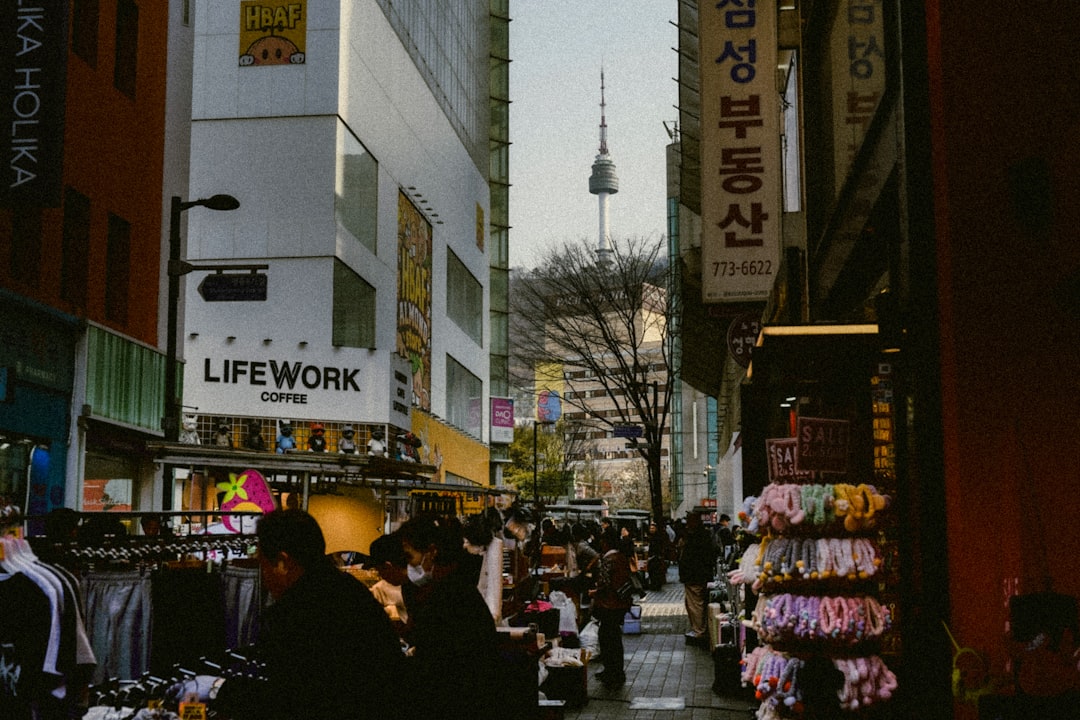
Last verified: September 22, 2026. Featured image: existing site media showing a Seoul street market with Namsan Tower in the distance. It is used as representative central-Seoul market context and is not labeled as a photograph of a specific Kalguksu Alley stall.