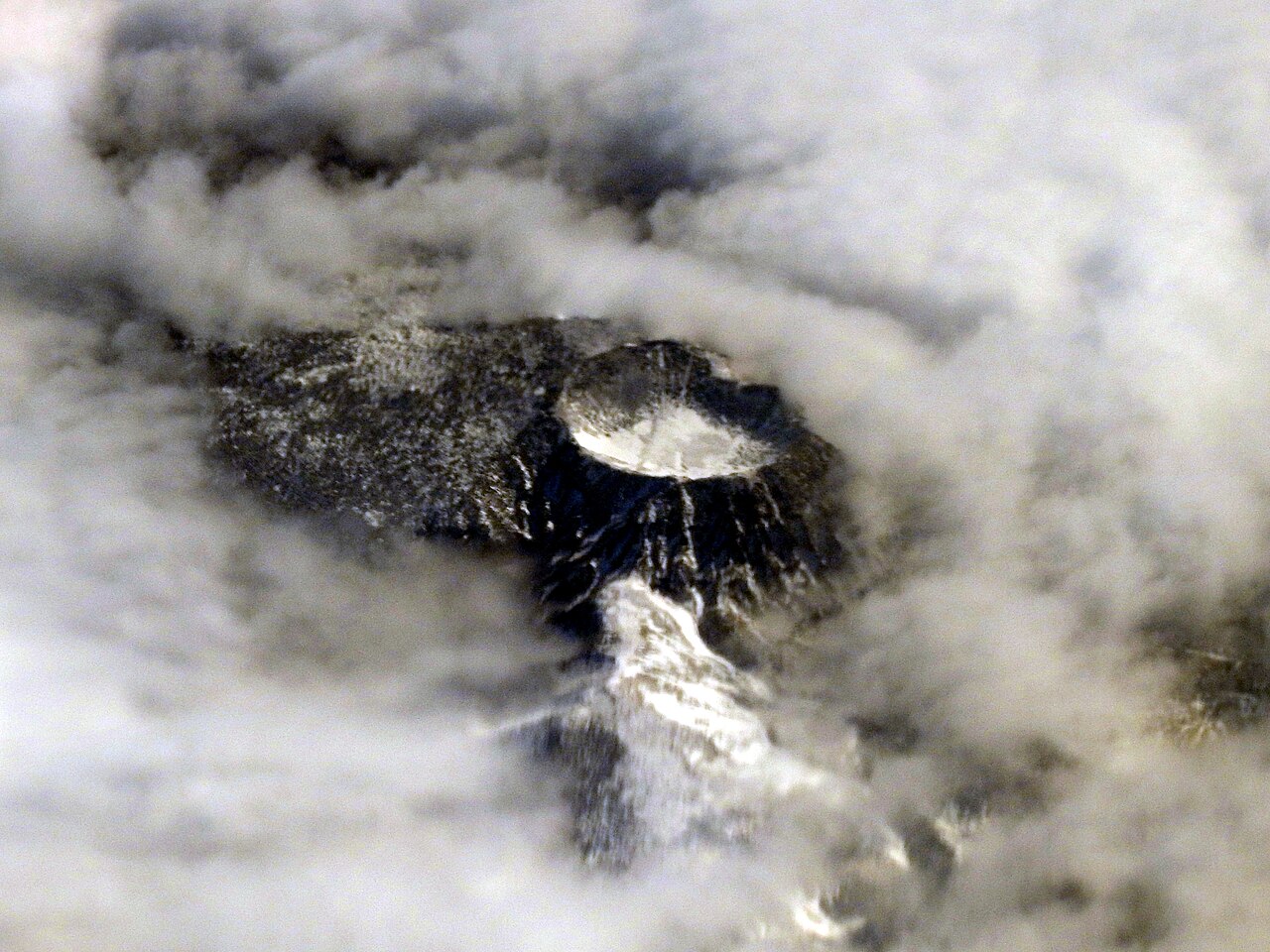
Winter changes Jeju more than first-time visitors expect. The coast can stay green while Hallasan turns white, citrus farms enter their most recognizable season, and red camellias add color when much of mainland Korea looks bare. It is also a season when wind, shorter daylight and mountain conditions should shape your itinerary.
If you are visiting from November through February, the best plan is not to copy a summer Jeju route and add a heavier coat. Build the trip around shorter regional days, flexible mountain plans and winter-specific experiences.
What winter is genuinely good for
Tangerines and citrus experiences
Jeju’s official tourism portal highlights citrus as one of the island’s signature winter experiences and publishes guides to tangerine-farm visits. Farm programs are seasonal and individual farms set their own schedules, so check the operator before making a long detour.
Camellias
Visit Jeju notes that winter brings waves of camellia color. Early-flowering varieties can appear from late November into January, while native camellias become more prominent later in winter. Bloom timing changes with weather, so treat social-media photos as inspiration rather than a guarantee for a specific date.
Hallasan snow
High elevations can become a completely different world from the coast. Snowy Hallasan is one of winter Jeju’s strongest reasons to visit, but it also creates the season’s biggest logistical risk. Trail controls, road restrictions and weather can change quickly. Never make a summit hike the one irreplaceable item in a short trip.
What the 2026–27 label means. This is a planning framework for the coming winter, reviewed on September 16, 2026, not a forecast of snowfall, flower peaks or operating dates. The seasonal references describe recurring experiences. This review has not established a finalized 2026–27 calendar for every farm, garden or winter event. Where a source describes a previous season, use it to understand the activity, not to assume the same opening date or price will apply.
November into December: treat November as a transition from late autumn rather than assuming snowy conditions. For a citrus or early-camellia trip, first confirm which farm or garden is operating on your dates. Decide whether the main goal is harvesting, flower viewing or a relaxed coastal break; do not require all three to be at a supposed peak on one weekend.
January: a snow-focused traveler should keep the high-altitude outing conditional and arrange a worthwhile lowland day as the default alternative. Visit Jeju’s camellia guide describes different flowering patterns for early varieties and native camellias. That is a reason to check the individual garden, not to promise a particular January bloom date.
February: avoid assuming that late winter automatically means warmer hiking conditions or that the same citrus-picking program is still running. Ask about the fruit variety, remaining harvest and current flower condition. Choose activities you would still enjoy without snow or a full carpet of fallen petals. Our suggested monthly emphasis is editorial planning advice, not a long-range weather prediction.
How to structure a winter itinerary
A good winter approach is to plan one region per day. Put indoor or low-elevation alternatives in the same area so a weather change does not force you to cross the island.
| Day type | Good winter focus |
|---|---|
| Clear, calm day | Hallasan, oreum, long coastal walk |
| Breezy and dry, with no access warnings | Nearby indoor stops; only short outdoor visits if conditions permit |
| Rain or mountain restriction | Food, indoor attractions, city neighborhoods |
A realistic three-day winter example: keep Day 1 near your accommodation for arrival, a meal and one short outing. On Day 2, choose one region and one booked seasonal experience, such as a confirmed garden visit or orchard activity, with an indoor alternative in the same area. Keep Day 3 light enough for checkout and your airport journey. If you have three full sightseeing days plus separate flight days, the extra day can hold a conditional mountain outing. Do not confuse three calendar days with three full days on the island.
For an orchard booking, ask whether the admission includes picking, the amount you may take away, any extra charge by weight and what happens if the activity is canceled. Confirm suitable footwear, toilets and access from your bus stop if traveling with children or luggage. For a garden, check recent photographs published by the operator and the date they were taken. A photograph from a previous January does not establish the bloom condition for your visit.
Weather backup means changing the activity, not challenging a warning. If authorities issue strong-wind, heavy-snow or access restrictions, skip exposed cliffs, breakwaters and mountain roads. A dry-looking coast is not proof that an elevated road is open. Keep the alternative close to your base so that a canceled outing does not create another long journey. These examples are flexible choices, not a guarantee that any named business or road remains open in severe weather.
Do you need a rental car in winter?
A car gives you flexibility, but winter flexibility only helps if you are comfortable with changing road conditions. Mountain roads can be very different from the coast. Travelers who do not want to drive in snow can still build a good trip with buses and taxis by staying in fewer bases and avoiding overly ambitious day trips.
Separate a Hallasan hike from a drive to see snow. Before any hike, check the specific route, required reservation, entry cutoff and descent deadline through the official Hallasan reservation system and the national park’s trail-status and weather links. A booking does not override a closure. The park warns visitors to bring their own essentials because there are no shops on the trails; its preparation guidance includes traction equipment, water, rain gear, snacks and basic hiking equipment. Ordinary city shoes should not be treated as sufficient for an icy mountain outing.
For 1100 Highland, Visit Jeju’s December 2025 winter overview specifically warns that the access road can close and that tire chains may be required. That is background safety guidance, not confirmation that the road is open for winter 2026–27. Check current restrictions and your rental company’s equipment instructions before departure. A taxi, bus or four-wheel-drive vehicle is not a way around an official closure.
Protect the final travel day. Arrange airport transport before deciding on the last attraction, check airline notices if disruption is possible, and do not put a summit hike or ferry excursion immediately before your flight. Our no-car guide and five-day itinerary explain how fewer transfers and movable sightseeing days can reduce avoidable pressure.
What to pack
- A wind-resistant outer layer, not just a thick sweater
- Shoes with reliable grip if you plan trails
- Layers for large differences between indoor spaces, the coast and higher elevations
- A backup plan that does not depend on one mountain road or one outdoor attraction
FAQ
Is Jeju warm in winter?
It is generally milder than much of mainland Korea, but that does not mean it feels warm. Coastal wind can make a moderate air temperature feel much colder, and Hallasan conditions are a separate category altogether.
Is December a good time for tangerines?
Winter is strongly associated with Jeju citrus, but specific picking experiences depend on farm schedules and variety. Confirm with the farm before visiting.
Where can I check official seasonal ideas?
Use the official Visit Jeju portal, its winter camellia guide, and the tangerine-farm experience guide.
Also useful: if your trip is earlier in the season, compare this with our Jeju in Autumn 2026 guide.
Seasonal information checked September 16, 2026. Mountain access, blooms and farm programs are weather-dependent; verify shortly before your visit.
Featured photo: Jpbarrass · CC BY-SA 4.0 · Wikimedia Commons. Hallasan, February 2024; resized. Illustrative, not a current snow report.
