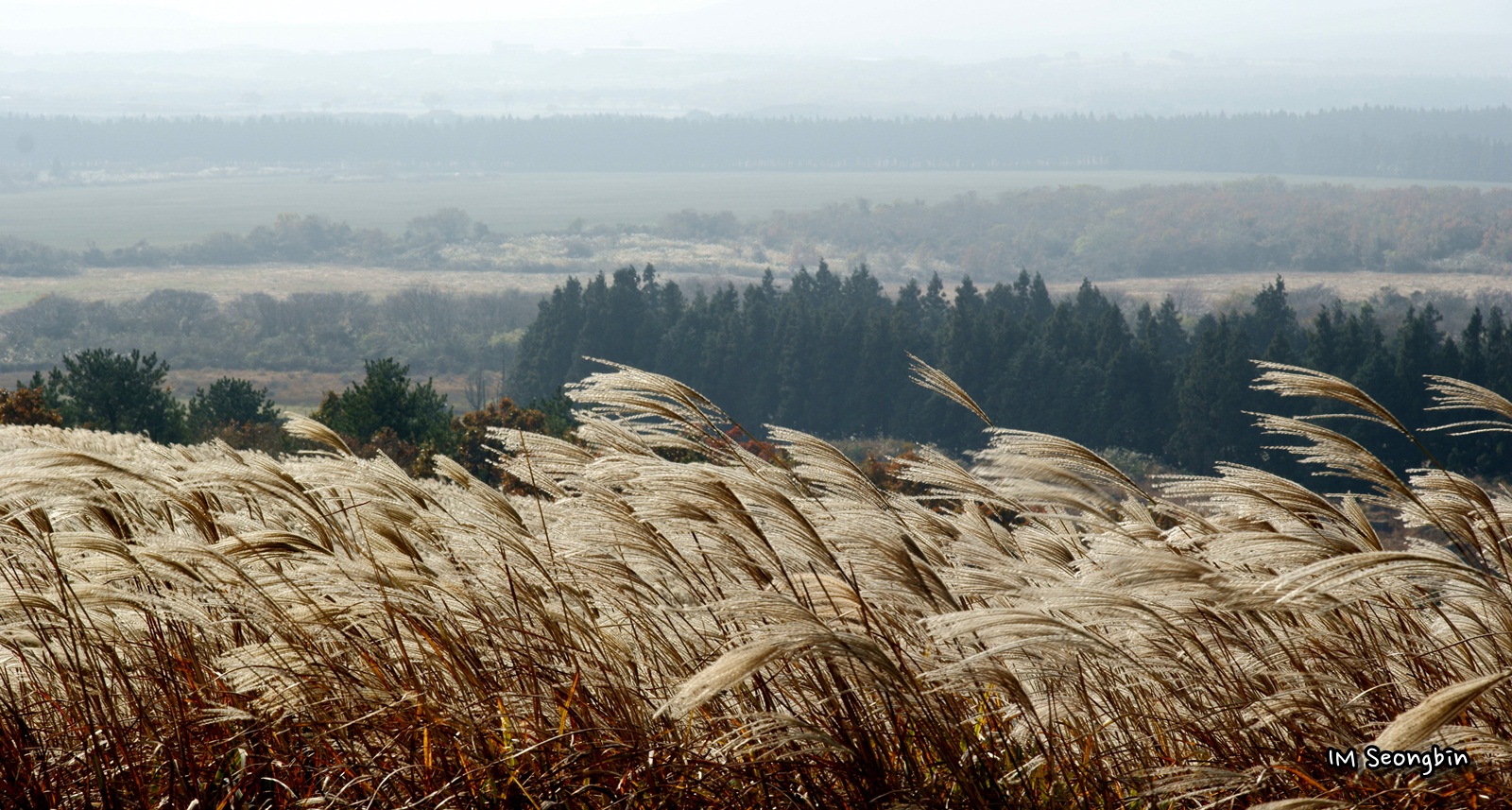
Autumn is one of Jeju’s best seasons, but it rewards a different plan from summer. The island shifts toward silver grass on the oreum, tangerine season, cooler coastal walks and clearer hiking days. The trade-off is shorter daylight and faster weather changes, especially on exposed peaks and seaside roads.
What makes autumn different in Jeju
Visit Jeju’s 2026 autumn recommendations highlight oreum landscapes, silver grass, tangerines and village-based experiences. That combination makes autumn ideal for travelers who want scenery and food without building every day around beaches.
October versus November
October is generally easier for long outdoor days and mixed itineraries. November can feel quieter and crisper, but wind and temperature become more important. Rather than chasing one “perfect foliage date,” plan around elevation: Hallasan and higher oreum can look and feel very different from the coast on the same day.
A balanced autumn trip
Use one day for an east-side oreum or Seongsan route, one for a south-coast walk around Seogwipo, and one flexible day for weather-dependent hiking. Add a market or village food stop in the late afternoon instead of scheduling two major outdoor attractions back-to-back.
What to eat
Tangerines are the obvious seasonal marker, but autumn is also a good time to explore Jeju’s everyday foods rather than only seafood restaurants. Start with our 15 local foods to try in Jeju, then use a specific neighborhood or dish as the anchor for each meal.
Practical autumn checklist
- Carry a light windproof layer even on sunny days.
- Check Hallasan and trail conditions on the same day.
- Keep one half-day flexible for rain or strong wind.
- Do not underestimate travel time between east, west and south Jeju.
- Use sunset time to decide whether a second outdoor stop is realistic.
For route planning, compare our 3-day Jeju itinerary and 4-day Jeju itinerary. Autumn works especially well when you slow those routes down rather than adding more stops.
FAQ
Is October or November better for Jeju?
October is easier for first-time visitors who want longer outdoor days. November can be excellent for quieter travel, but you should build more flexibility around wind and cooler temperatures.
Do I need a car in autumn?
No, but a car makes dispersed oreum and rural food stops easier. If you do not drive, build each day around one transport corridor instead of crossing the island repeatedly.
Is Jeju very crowded in autumn?
Popular oreum, coastal viewpoints and holiday weekends can be busy, while many villages remain calm. Start outdoor sights early and avoid assuming the whole island has the same crowd pattern.
What is actually seasonal in autumn 2026?
Autumn in Jeju is not one single peak week. Visit Jeju’s 2026 guidance places silver grass at its best from roughly mid-October into early November, while higher-elevation autumn foliage is strongest around late October to early November. Mandarin harvest season becomes a bigger part of the trip in November. An October itinerary can lean toward oreum walks, coastal scenery and longer outdoor days, while November works well for late-autumn landscapes, citrus villages and food experiences.
For silver grass, useful choices include the Eoeum-ri area in Aewol and Daeroksan around Gasi-ri. Stay on established paths, respect private farmland and avoid roadside stops that obstruct local traffic.
How October and November feel different
October: prioritize hiking, oreum, Olle trails and coastal sightseeing while daylight is relatively generous. Carry a light windproof layer even when the coast feels mild. November: build shorter outdoor blocks, start earlier and expect a bigger temperature difference between the coast and higher ground. Tangerine experiences also become easier to add to a south-Jeju or Seogwipo day.
Jeju’s official tourism guide describes September to November as fresher and less humid than summer, but recommends a light jacket because daily temperature swings can be substantial. Treat historical temperature figures as planning context rather than a forecast.
A practical 3-day autumn plan
Day 1 – East Jeju: combine Seongsan or Seopjikoji with an oreum or quieter coastal stop. Day 2 – South Jeju: use Seogwipo as the base for an Olle section, waterfall or coastal walk, then add a local-food stop. Day 3 – West or mid-mountain Jeju: choose a silver-grass landscape, sunset coast and one village or cafe rather than repeatedly crossing the island.
If Hallasan is the main purpose of the trip, give it its own day and keep the following half-day flexible. Mountain weather and entry rules matter more than a fixed sightseeing checklist.
2026 autumn events worth checking
Visit Jeju’s current 2026 autumn guide lists the Tamna Cultural Festival for October 17–21 and the Seogwipo Chilsimni Festival for October 23–25, among other seasonal events. Festival schedules can change, so confirm the official event page before building flights, hotels or a long drive around one date.
Rain and strong-wind backup plan
Do not force an oreum, ferry or exposed coastal walk in poor conditions. Keep a backup cluster near your accommodation: markets and museums around Jeju City, indoor attractions around Seogwipo, or food-focused stops that do not require crossing the island. The best autumn itinerary is one that can swap a half-day without breaking the rest of the route.
Official sources
Verified September 15, 2026. Visit Jeju: 2026 Recommended Jeju Tourism – Autumn. Weather, trail access and seasonal conditions change quickly; verify same-day conditions before hiking.