Updated: October 2, 2026.
Jeju seafood restaurants can be one of the highlights of an island trip, but the ordering style is not always obvious to international visitors. Jeju is known for fresh hoe (Korean-style raw fish), cutlassfish, mackerel, abalone, sea urchin dishes, seafood stews and seasonal catches. The key is to choose the type of restaurant that matches what you actually want to eat, then confirm the fish, portion and price before ordering.
What seafood should you try in Jeju?
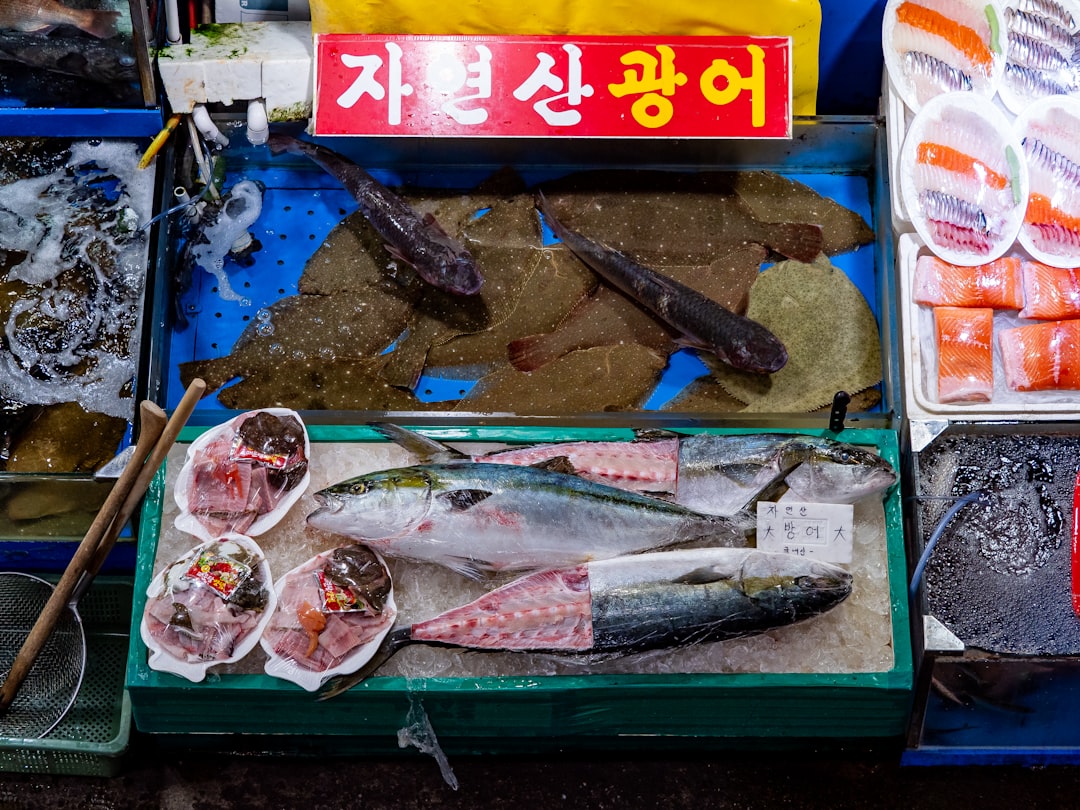
Jeju Tourism Organization recommends several characteristic island seafoods. Galchi is silver cutlassfish, commonly grilled or braised. Okdom, often translated as horsehead tilefish, is another Jeju specialty frequently served grilled. Mackerel can be cooked or served as raw fish when freshness and handling allow.
For travelers who prefer a mixed seafood meal, haemul ttukbaegi is a bubbling earthenware seafood stew. Abalone also appears throughout Jeju menus in porridge, grilled dishes and seafood sets.
Understanding hoe: Korean-style raw fish
Hoe means sliced raw fish, but a Korean hoetjip experience can be different from Japanese sashimi dining. Depending on the restaurant, the fish may arrive with lettuce or perilla leaves, garlic, chili, ssamjang, cho-gochujang and multiple side dishes. A spicy fish stew, maeuntang, may be offered after the raw fish.
Visit Jeju notes that maeuntang can also be ordered in a non-spicy clear style called jiri. This is useful for travelers who want the fish-broth finish without a spicy soup.
How to order seafood without confusion
1. Ask what is good today
Seasonality matters. Jeju Tourism Organization specifically advises travelers to look for seasonal seafood. Instead of assuming one species is always the best choice, ask “Oneul mwo-ga joayo?” — “What is good today?”
2. Confirm the price system
Before ordering, determine whether the listed price is for one person, a two-person set, a fixed platter or a fish sold by weight. This is particularly important at seafood markets and live-fish restaurants.
3. Ask what comes with the set
Large seafood sets may include several side dishes and a final soup. If you only want raw fish, a simpler menu can be better value than automatically choosing the largest course.
4. Say if you do not eat raw seafood
You can still have an excellent Jeju seafood meal. Choose grilled galchi or okdom, braised cutlassfish, abalone porridge or a cooked seafood stew instead.
Good areas and restaurants to consider
For travelers staying in Jeju City, several dining styles are easy to compare. Dongmun Fish Market is Jeju City’s largest seafood market according to Visit Jeju, with seasonal fish and other seafood available around the market area. It is useful for travelers who want to see the seafood before deciding what to buy or eat.
Near Jeju Port, Visit Jeju also highlights Seo Budu Hoet-jip Geori, a long-established raw-fish restaurant street where fresh Jeju hoe is available throughout the year.
For a restaurant meal, current local listings show options such as Nodo Mackerel Sashimi on Seohaean-ro for mackerel-focused seafood, Manseonbada in Yeon-dong for Jeju-style raw mackerel and seafood dishes, and Apdonji in Geonip-dong for cooked fish, sashimi, mulhoe and other Jeju-style seafood dishes. Restaurant menus, hours and prices can change, so check the latest information before making a special trip.
At Dongmun: decide takeaway or a restaurant meal first
Before choosing fish, tell the seller how you want to eat it: 포장할게요 (Pojanghalgeyo) — “I will take it to go” — or 여기서 먹을 수 있나요? (Yeogiseo meogeul su innayo?) — “Can I eat here?” Do not assume a seafood stall includes a dining place.
Then confirm the species, serving size and written total. If slicing, cooking or a dining-area charge is separate, have that amount explained before the fish is prepared. Check the packaging and utensils before leaving with a takeaway order. For another island meal, compare Jeju black pork; our seven-day Seoul, Busan and Jeju itinerary explains the broader route if Jeju is one stop in a multi-city trip.
Haenyeo-run seafood restaurants
Jeju’s haenyeo (women diver) culture also shapes some of the island’s seafood restaurants, especially places connected to divers and their families. Visit Jeju’s official listing for Soonokine notes its haenyeo family connection and dishes including abalone mulhoe, seafood hotpot, abalone porridge and sea-urchin seaweed soup—four useful menu anchors you will see across the island:
- Abalone porridge (jeonbokjuk): a gentle, warm rice porridge served throughout the day, and a good first choice if raw seafood or spicy cold soup is not your thing.
- Mulhoe: a cold, usually spicy seafood soup with vegetables and sliced raw or lightly prepared seafood; versions vary by restaurant and season.
- Sea-urchin seaweed soup (seongge miyeokguk): ocean-forward but less visually intimidating than a raw platter; availability can vary with supply.
- Seafood hotpot: a cooked group order that can include several kinds of shellfish and seafood, and a practical cold-weather option.
“Haenyeo food” is sometimes used loosely in tourism marketing. If the diver connection matters to you, look for an official tourism listing, a restaurant history that identifies the diver or family, or clear on-site information; a restaurant serving abalone is not automatically a haenyeo restaurant. For two people, a balanced order is one cooked main plus one seafood-focused specialty, such as a hotpot with abalone porridge. If you are pregnant, immunocompromised or uncomfortable with raw seafood, choose cooked dishes—porridge, soup and hotpot still make a distinctly Jeju meal. Haenyeo-style seafood fits best on a coastal driving day, and a restaurant meal does not include a diving demonstration; ask permission before photographing workers.
Useful Korean words for ordering
Hoe (회) — raw fish
Godeungeo (고등어) — mackerel
Galchi (갈치) — silver cutlassfish
Jeonbok (전복) — abalone
Mulhoe (물회) — chilled raw-fish dish or soup
Maeuntang (매운탕) — spicy fish stew
Jiri (지리) — clear, non-spicy fish soup
Gui (구이) — grilled
Jorim (조림) — braised
Jeonbokjuk (전복죽) — abalone porridge
Seongge miyeokguk (성게미역국) — sea-urchin seaweed soup
Haemultang (해물탕) — seafood soup or hotpot
A useful sentence is “Igeo eolmayeyo?” — “How much is this?” For a two-person meal, “Du myeong-ieyo” means “There are two of us.” Two more useful questions are “이 가격은 1인분인가요?” (“Is this price for one serving?”) and “어떤 해산물이 들어가나요?” (“What seafood is in it?”)—a translated dish title is not an ingredient guarantee, so ask about broth and sauces too if you have an allergy.
Raw mackerel: a Jeju experience with an important caveat
Raw mackerel is strongly associated with Jeju seafood dining, but it should be eaten only when properly handled and served by a restaurant specializing in it. If you are uncomfortable with raw fish, there is no reason to force the experience; grilled mackerel or other cooked fish is an easy alternative.
What about seasonal seafood?
Some of Jeju’s most interesting seafood changes with the season. Visit Jeju notes that Jeju-style mulhoe made with ingredients such as hanchi or jaridom can be seasonal. This is another reason to ask a restaurant what is particularly good during your visit rather than following an old online list literally.
Common ordering mistakes
Ordering the largest set immediately: Korean seafood courses can contain much more food than expected.
Not confirming the price: seafood may be priced by weight, set or number of diners.
Assuming every side dish is free: ask what is included when the ordering structure is unclear.
Ignoring seasonality: the best choice can change through the year.
Choosing a restaurant only for an ocean view: location is useful, but the menu and seafood handling matter more.
A simple seafood plan for first-time visitors
If you have only one seafood meal in Jeju, choose according to your comfort level. Raw-fish fans can order a seasonal hoe platter and finish with maeuntang or jiri. Travelers who prefer cooked food can choose galchi jorim or grilled fish. For an inexpensive, warming meal, seafood stew or abalone porridge can be easier than a large sashimi course.
In Jeju City, combining Dongmun Market with the nearby old downtown or waterfront makes an efficient half-day food route. The most useful strategy is simple: see what is fresh, confirm the price, order a sensible amount and let the season guide the meal.
Official sources:
Jeju Tourism Organization — Seafood of Jeju
Jeju Tourism Organization — Dongmun Fish Market
Jeju Tourism Organization — Soonokine
Featured photo by William Warby / Unsplash.