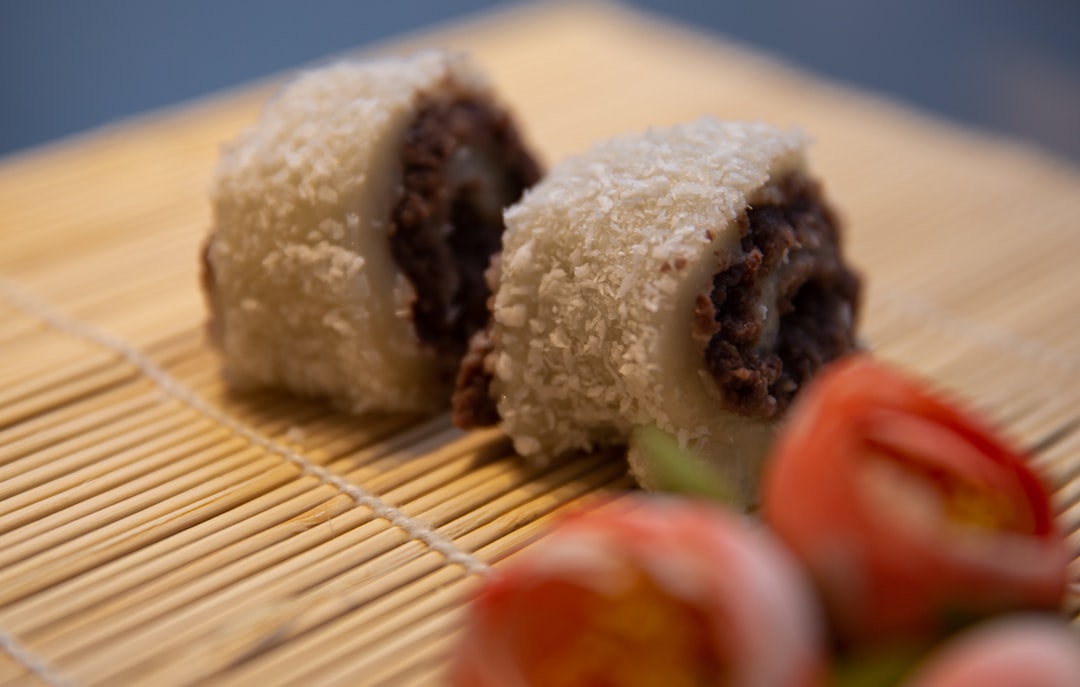
Omegi tteok is one of Jeju’s most recognizable rice-cake snacks, but visitors often meet it only at the airport and assume every version is the same. It is better understood as a local specialty with different fillings, coatings and textures depending on the shop. If you want to bring it home, freshness and storage matter just as much as choosing a famous store.
What is omegi tteok?
Omegi tteok is a Jeju-style rice cake associated with the island’s traditional grain culture. Modern versions are commonly made as chewy rice cakes with sweet red-bean filling and a red-bean coating, though recipes vary. The name and style are strongly connected with Jeju, and Visit Jeju includes it among foods and market specialties worth trying.
Where to buy it
You will find omegi tteok at dedicated rice-cake shops, traditional markets and some airport or souvenir outlets. For a more local browsing experience, traditional markets are useful because you can compare texture, portion size and packaging rather than buying the first box you see. If your trip lines up with a five-day market, use our Jeju five-day market calendar to see which regional market is open.
How to choose a good box
Ask when the rice cakes were made, whether they should be kept refrigerated or frozen, and how long the shop recommends keeping them. Fresh rice cakes can harden or change texture quickly, so “best before” advice from the actual seller is more useful than a generic rule. If you are flying later the same day, ask for travel-friendly packaging.
Can you carry omegi tteok on a flight?
For domestic travel within Korea, a sealed food box is usually straightforward to carry, but airline baggage rules and food-storage needs still matter. For international travel, the destination country’s customs and food-import rules are the bigger issue. Rice cakes themselves may be allowed in many places, but fillings or accompanying ingredients can trigger restrictions. Check your destination’s customs rules rather than relying on a shop’s assumption.
Fresh, refrigerated or frozen?
Many shops sell omegi tteok for same-day eating and may also offer frozen packs for travel. If you buy frozen rice cakes, keep the cold chain as stable as practical and follow the shop’s thawing instructions. Re-freezing repeatedly can hurt texture and food quality. For a short Jeju trip, buying near the end of your itinerary is usually smarter than carrying a box around the island for two days.
What does it taste like?
The typical experience is chewy and mildly sweet rather than dessert-level sugary. Red beans add an earthy sweetness, while the rice cake itself is soft and dense. Some newer shops offer mugwort, nuts, black sesame or other variations, so purists and first-time visitors may prefer to try one traditional-style piece before buying a large mixed box.
Pair it with a broader Jeju food plan
Omegi tteok works well as a snack between heavier Jeju meals. If you are planning a full food day, combine it with dishes such as gogi-guksu, abalone or hairtail rather than treating every stop as a large meal. Our Jeju hairtail guide and gogi-guksu guide can help balance the route.
FAQ
Is omegi tteok only sold in Jeju?
You can find Jeju-style omegi tteok elsewhere in Korea, but it is most closely associated with Jeju and is widely sold across the island.
Should I buy it at the airport?
The airport is convenient, especially for last-minute gifts. Markets and neighborhood shops give you more opportunity to compare fresh batches and packaging, so choose convenience versus variety based on your schedule.
How long does it keep?
There is no single answer because recipes, fillings and packaging differ. Follow the seller’s storage and consumption instructions for the exact product you purchase.
Official source: Visit Jeju – Jeju food and market guide. Checked September 18, 2026.