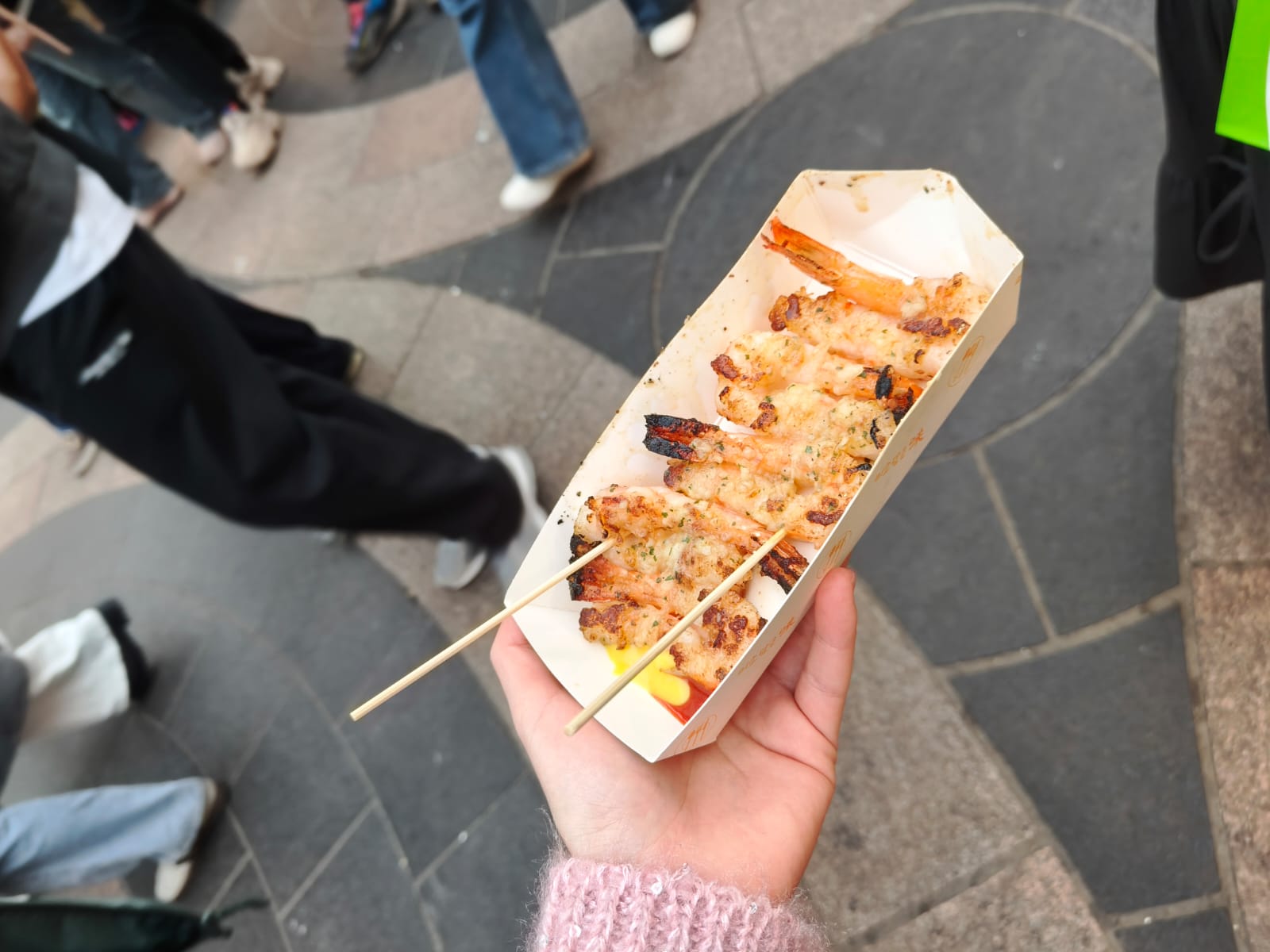
Myeongdong is one of Seoul’s most famous shopping districts, but after late afternoon it also becomes one of the easiest places for a first-time visitor to sample several Korean street foods in a compact area. Seoul’s official tourism guide describes Myeongdong as a busy shopping district with a strong street-food scene, while the Korea Tourism Organization identifies street snacks and food as part of the area’s appeal.
The challenge is not finding food. It is avoiding the common mistakes: arriving hungry enough to buy too much at the first stall, assuming every snack is traditional, carrying no small-payment option, or spending the entire evening in one crowded lane when better combinations are only a block away.
1. When the street-food atmosphere is strongest
Myeongdong is active throughout the day, but the street-food character usually becomes more visible from late afternoon into the evening when shopping traffic increases. Stall hours are not a fixed government schedule. Weather, weekday demand, holidays and individual vendors can affect when a cart appears or closes.
For most visitors, arriving around 17:00–18:00 creates a useful balance: shops are still open, dinner stalls are active, and you have enough time to walk toward Namsan, Namdaemun or Euljiro afterward. If you arrive much later, you may find some shops closing even while food lanes remain busy.
During Chuseok, Seollal or extreme weather, operating patterns can change. Check the district atmosphere on the day rather than assuming a saved video represents every night.
2. Build a tasting sequence instead of buying a full meal immediately
The easiest way to enjoy Myeongdong is to share small portions. Start with one savory item, walk for ten minutes, then add another. A couple can easily end up with six or seven foods if each person buys a separate full portion at every stall.
Common categories include grilled seafood, skewers, tteokbokki, fried snacks, hotteok-style sweets, egg bread, tornado potato and modern fusion items. Not every food is uniquely Korean and not every stall serves the same version. Treat Myeongdong as a tasting market rather than a museum of “authentic” national dishes.
If you want deeper traditional-food context, combine Myeongdong with Namdaemun Market or a neighborhood restaurant. Myeongdong’s strength is convenience and variety for visitors, not necessarily the cheapest or most locally specialized version of every dish.
3. Prices and payment: look before ordering
Street-food prices can change and may be higher than in residential markets because Myeongdong is a major tourist district. Check the displayed price before ordering. If a price is unclear, ask first rather than assuming.
Many vendors accept cards or mobile payment, but a small amount of Korean cash remains useful because payment systems can vary by stall. Do not carry a large amount of cash openly in a dense crowd. Keep small notes accessible and the rest secured.
If a stall serves a premium ingredient such as lobster, scallop or large seafood, confirm whether the displayed price is per piece, per skewer or per portion. A visually impressive item can cost far more than a basic snack.
4. Food safety and allergies
Busy stalls generally turn over ingredients quickly, but travelers should still use normal judgment. Choose food that is cooked thoroughly and served hot, especially meat, egg and seafood. If a tray has been sitting uncovered for a long time or the stall area appears poorly maintained, move on—there are many alternatives.
Allergy communication is more difficult at a street stall than in a restaurant. Sauces can contain soy, wheat, sesame, fish products or shellfish. Fried foods may share oil. If you have a serious allergy, street-food tasting requires extra caution because vendors may not be able to guarantee cross-contact controls.
Vegetarians and halal travelers should also avoid judging only by appearance. A rice cake dish may use fish-cake broth; a vegetable pancake may share a griddle with seafood or meat.
5. Pair Myeongdong with a smarter neighborhood walk
A useful evening starts at Myeongdong Station, moves through the main shopping lanes, then finishes in one of three directions. Walk west toward Namdaemun Market if you want a more traditional market atmosphere. Walk north toward Euljiro if you want bars and older commercial alleys. Walk uphill toward the Namsan area if the weather is good and you prefer a city-view finish.
Do not try to combine Myeongdong, Gwangjang Market, Hongdae and Namsan in one evening. Seoul is easy to navigate by subway, but crossing the city repeatedly turns an evening into transport time.
If your hotel is in Myeongdong, use the area on arrival night or the last evening because it is forgiving: you can shorten the walk at any time without losing a reservation.
6. Practical etiquette and common mistakes
- Do not block a stall while deciding what to buy during peak periods.
- Use the waste bins provided by vendors; public bins can be limited.
- Do not assume you can sit—many items are designed for standing or walking.
- Ask before photographing vendors at close range.
- Keep hot skewers and cups away from other pedestrians in dense lanes.
- Share portions if you want to try several foods.
The biggest mistake is turning street food into a checklist. Choose a few foods that look appealing, then leave room for a proper Korean meal elsewhere.
7. A simple budget and ordering strategy
Set a street-food budget before you start. For two people, choose three or four items to share, then stop for a sit-down meal only if you are still hungry. This avoids spending restaurant-level money on small snacks without realizing it. Keep receipts where available and compare prices across several stalls before buying premium seafood or oversized desserts.
If you are traveling with children, buy one item at a time and find a safe place to stand before eating. Dense evening crowds make it easy to spill hot sauce or lose track of a child while everyone is carrying food.
How to avoid an expensive, repetitive food night
Myeongdong is designed to tempt you visually. Many stalls use cheese, torches, oversized seafood or colorful toppings to attract attention. That can be fun, but if every choice is a premium item, the total cost can rise quickly. Set a simple rule before you start: one grilled item, one carb-based snack, one sweet item and one drink. Then decide whether you still want a restaurant meal.
Couples and families should share first. If everyone buys a full serving of the same snack, you lose the main advantage of a street-food district: variety. Keep napkins and wet wipes in your bag, and choose foods that are easy to carry without dripping sauce onto other pedestrians.
Official sources
Seoul Tourism Organization: Myeongdong official visitor guide. Korea Tourism Organization: Major Shopping Streets in Korea. Both official tourism sources identify Myeongdong as a major shopping and food area with street snacks. Last verified September 26, 2026.
Bottom line: Myeongdong works best as a tasting walk, not a race to eat everything. Go in the early evening, share portions, check prices first and combine the food lanes with one nearby neighborhood.
Featured photo: Myeongdong street food skewers, photographed in 2025. Photo by Fatimald / Wikimedia Commons, licensed CC BY 4.0. WordPress-generated resized versions; no substantive edits.
